Musicians Who Loved to Gamble: Paganini to Sinatra
Music and gambling have shared the same late nights for centuries. Some of history's best-known musicians were serious players, and a few even ran casinos. Here are the stories that are best documented, with the legends kept separate from the facts.
Niccolò Paganini (1782–1840)
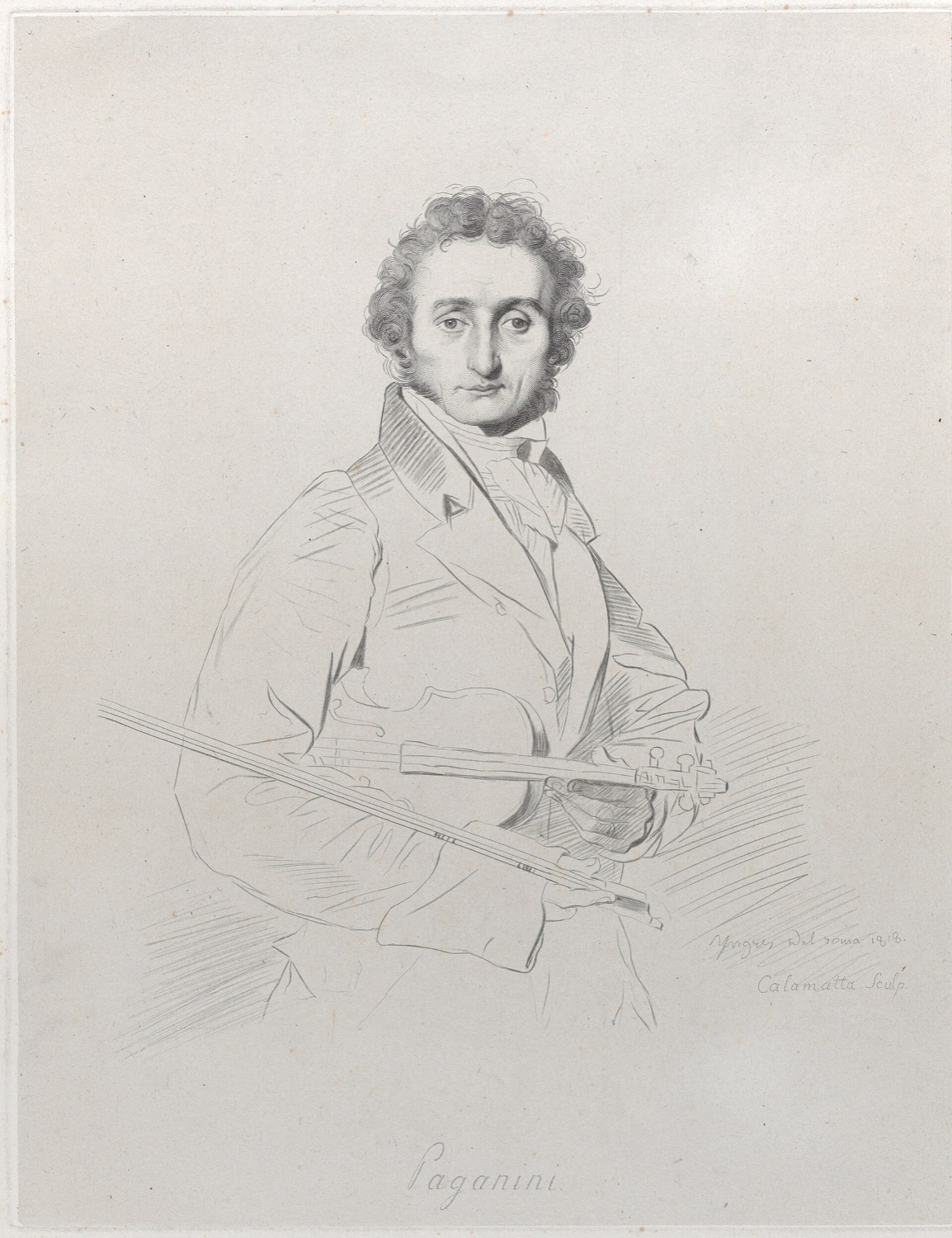
The great violin virtuoso was almost as famous for gambling as for playing. As a young man in Lucca his reputation at the gaming tables matched his fame as a violinist. A well-known story, told in many biographies, says that he once lost or pawned his violin before a concert in Livorno and had to borrow an instrument from a merchant, who then refused to take it back; that violin, the Guarneri known as "Il Cannone", became his favourite. Late in life Paganini invested in a casino in Paris. It failed almost at once, leaving him with heavy losses, and he sold off possessions, including instruments, to cover them.
Wolfgang Amadeus Mozart (1756–1791)
Mozart loved billiards and card games and owned his own billiard table. Some writers have argued that gambling explains the money troubles of his last years, but the evidence is thin, and many historians point instead to his expensive lifestyle, falling income and the economics of Vienna in wartime. He belongs on this list as a player of games rather than a proven high roller.
Richard Wagner (1813–1883)
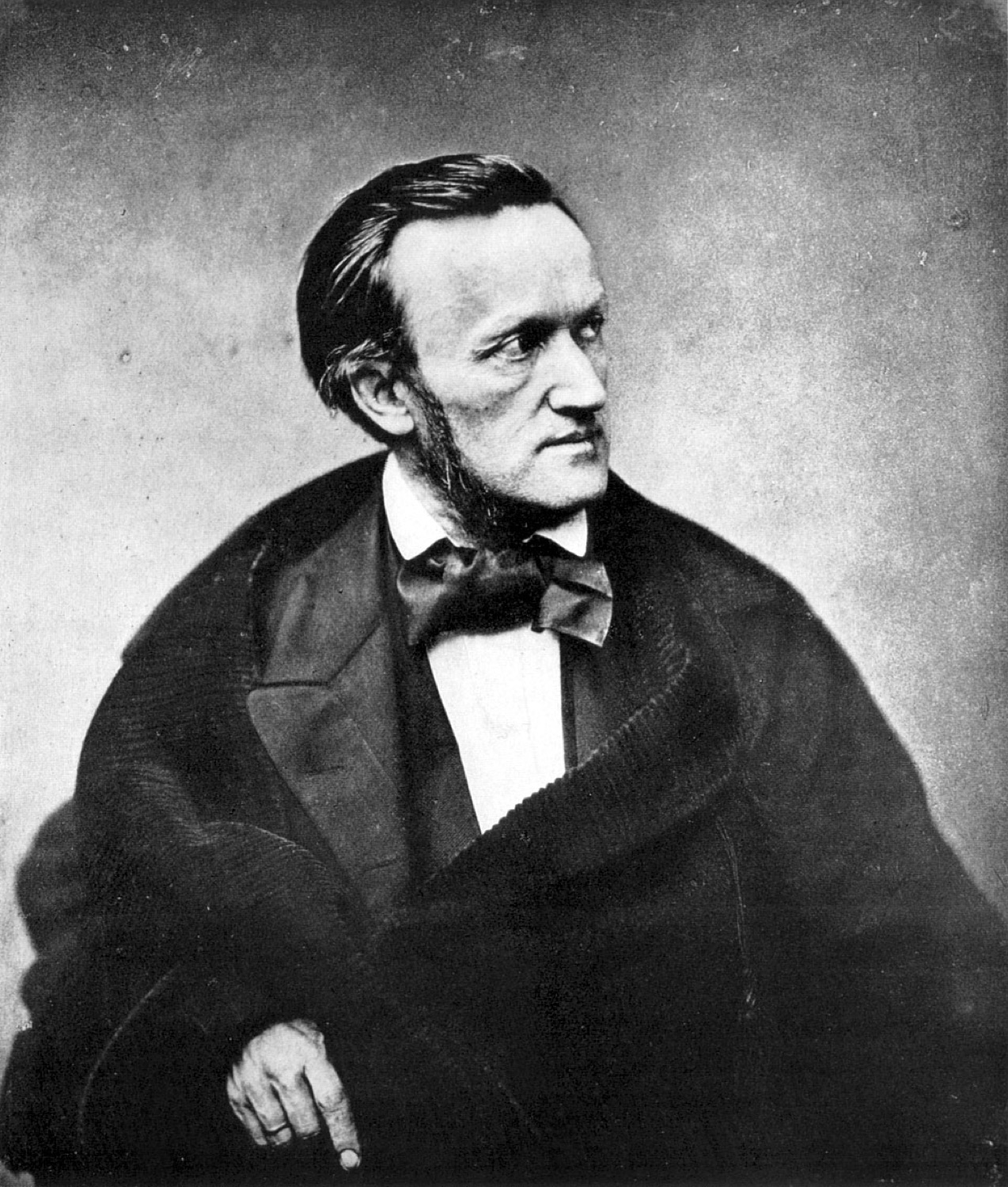
In his autobiography My Life, Wagner describes a gambling fever during his student days in Leipzig. By his own account he gambled away money, including his mother's pension that he had collected for her, then staked everything he had left on a last throw and won it all back, after which he gave up gambling for good.
Jelly Roll Morton (1890–1941)
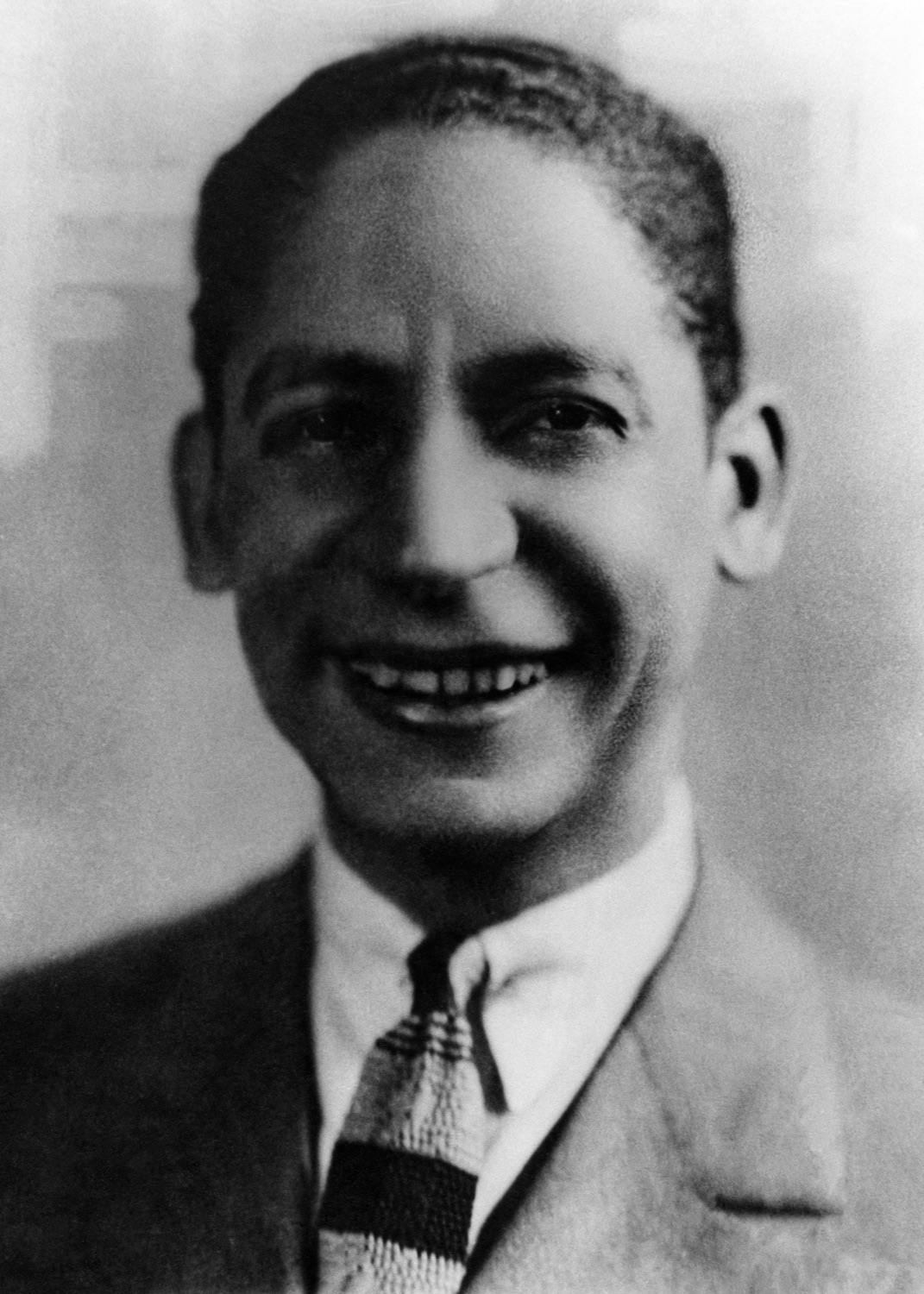
Before he became one of the first great jazz composers, Ferdinand "Jelly Roll" Morton earned money in New Orleans and on the road as a pool player and card sharp as well as a pianist. He talked about that life at length in his 1938 interviews with folklorist Alan Lomax for the Library of Congress, though Morton was also a natural storyteller and not every detail can be checked.
Dean Martin (1917–1995)
As a young man in Steubenville, Ohio, Dean Martin worked a string of jobs that included dealing cards and working as a croupier in an illegal gambling club. He went on to become one of the defining Las Vegas headliners as part of the Rat Pack, and his relaxed persona owed a lot to the casino world he grew up around.
Frank Sinatra (1915–1998)
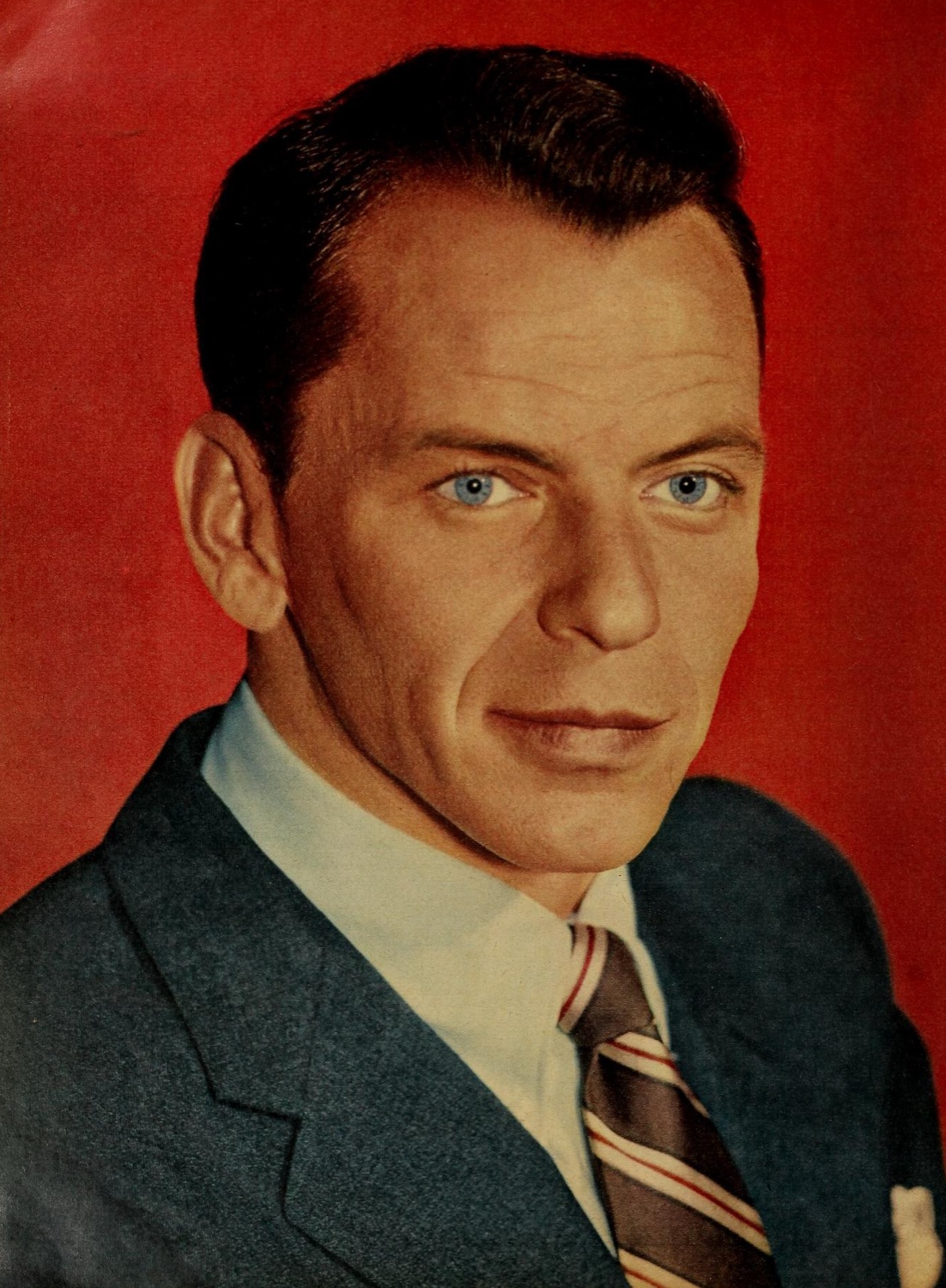
Sinatra was not just a casino headliner but an owner. He held a stake in the Sands in Las Vegas and in 1960 bought into the Cal Neva Lodge on the shore of Lake Tahoe, which straddles the Nevada–California line. In 1963 Nevada gaming regulators moved against his licence after the Chicago mobster Sam Giancana, who was banned from Nevada casinos, was seen at Cal Neva; Sinatra gave up his gaming interests in the state. He received a Nevada gaming licence again only in 1981.
Why the link runs so deep
For centuries, musicians worked where players and punters gathered: spa towns, salons, saloons, speakeasies and casino showrooms. The hours were the same, the money was uncertain in both trades, and the thrill of a big night on stage was not so different from a big night at the tables. That shared history is part of why Las Vegas residencies feel so natural today.