From Star Search to American Idol: TV Talent Shows and Pop
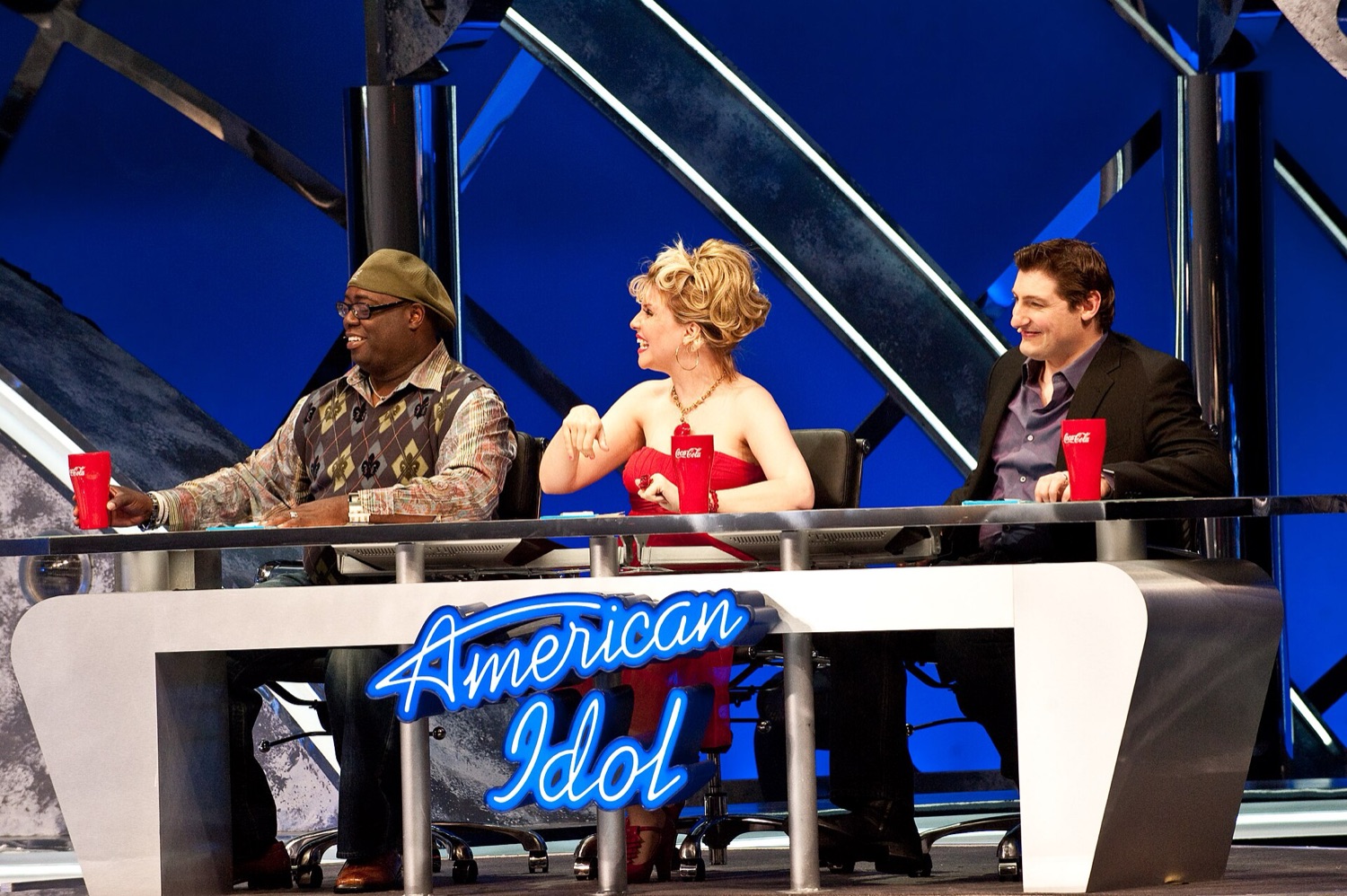
In the 2000s the quickest route to a record deal often ran through a television studio. Talent contests turned auditions into prime-time entertainment, let viewers vote and handed the winner a single that was already a hit before it was released. Here is how the format grew and what it did to pop.
Star Search and the long audition
The idea is older than reality TV. Star Search, hosted by Ed McMahon, ran in syndication from 1983 to 1995 and judged singers, dancers and comedians head to head each week. It did not always pick winners well, but a remarkable number of later stars passed through it as children or teenagers, among them Britney Spears, Justin Timberlake, Christina Aguilera and Beyoncé's early group Girls Tyme.
Popstars, Pop Idol and the voting public
The modern format began with Popstars, first made in New Zealand in 1999, which filmed the creation of a band from open auditions; the British version produced Hear'Say in 2001. Simon Fuller's Pop Idol took the next step and let viewers decide. Its first final, in February 2002, saw Will Young beat Gareth Gates, and both went on to number-one singles.
American Idol
American Idol premiered on Fox in June 2002, and its first winner, Kelly Clarkson, released "A Moment Like This" within weeks of the September final. The show became one of the most-watched programmes on American television in the mid-2000s. Ruben Studdard, Fantasia Barrino and Carrie Underwood followed as winners, while some of its best-known alumni did not win at all: Jennifer Hudson finished seventh in 2004 and later won an Academy Award for Dreamgirls. The original run ended in 2016, and the show returned on ABC in 2018.
Talent shows in brief
- Star Search
- 1983–1995, syndicated, hosted by Ed McMahon
- Popstars
- First series in New Zealand, 1999
- Pop Idol
- UK, 2001–2003; Will Young won the first series
- American Idol
- Fox from 2002 to 2016; ABC from 2018
- The X Factor
- UK, 2004–2018
The X Factor and the Christmas number one
In Britain, Simon Cowell's The X Factor (2004–2018) tied its final to the Christmas charts. For several years the winner's single was the obvious favourite for the Christmas number one, and Leona Lewis, the 2006 winner, went on to a worldwide hit with "Bleeding Love". One Direction, assembled from solo entrants in 2010, finished only third and still became the show's biggest success.
The format also turned pop into a betting market. British bookmakers priced each series like a horse race, and odds on the winner shifted week by week with the public vote. The most famous upset came in December 2009, when a Facebook campaign sent Rage Against the Machine's "Killing in the Name" to the Christmas number one ahead of the X Factor winner Joe McElderry, a result few punters had backed at the start of the month. Bookmakers have at times closed markets on pre-recorded shows to avoid taking bets on results already known to production staff. In the United States, licensed sportsbooks generally do not offer odds on reality-TV results, so Idol fans had only office pools. How these markets work today is covered in our guide to betting on Eurovision and the Grammys.
What talent shows changed
Talent shows gave labels a pre-sold audience and a ready-made story, and they showed that viewers would pay to vote for a singer before buying the record. They also compressed careers: a winner could top the chart within days and be dropped within two years. By the late 2010s, YouTube, social media and streaming had taken over much of the discovery role, but the habit of watching a pop career begin on screen remains.