Mid-2000s Teen Pop: When Guitars Replaced Boy Bands

At the turn of the millennium, teen pop meant boy bands and choreographed dance-pop. By 2004 the sound had changed. Guitars were back, singer-songwriter credibility mattered, and a wave of young performers, many of them actors first, sold millions of records with pop rock aimed squarely at teenagers.
After the boy bands
The late-1990s boom built around Backstreet Boys, NSYNC and Britney Spears had peaked by about 2001. Avril Lavigne's Let Go (2002) showed labels that a teenager with a guitar and a skate-park image could sell as well as a dance routine, and the industry followed. Over the next few years the dominant teen sound became bright, guitar-heavy pop rock with confessional lyrics.
The key records, 2003–2006
| Year | Artist | Record | Why it mattered |
|---|---|---|---|
| 2003 | Hilary Duff | Metamorphosis | The Lizzie McGuire star's album debuted at No. 1 in the US |
| 2004 | Ashlee Simpson | Autobiography | A No. 1 debut, built on reality TV and pop rock |
| 2004 | JoJo | JoJo | "Leave (Get Out)" made the 13-year-old a pop radio chart-topper |
| 2004 | Jesse McCartney | Beautiful Soul | The Summerland actor became Hollywood Records' male teen star |
| 2004 | Kelly Clarkson | Breakaway | "Since U Been Gone" fused pop and rock guitars and became an era-defining hit |
| 2004 | Lindsay Lohan | Speak | The film star's Casablanca debut went into the US top five |
| 2005 | Aly & AJ | Into the Rush | Disney-backed sister duo with a softer pop-rock sound |
| 2005 | Brie Larson | Finally Out of P.E. | Guitar-led debut on Casablanca that sold only a few thousand copies |
Actors with record deals
A striking share of these acts came from film and TV. Labels liked actors because they arrived with a fan base, media training and a schedule already full of press. Disney's Hollywood Records was the most successful at it, using the Disney Channel and Radio Disney to promote its singers. Other labels tried the same playbook with mixed results: Lindsay Lohan scored a hit album, while Brie Larson's debut on the same label struggled to find an audience. We look at the long history of this in actor-singers and child stars who made albums.
How fans found the music
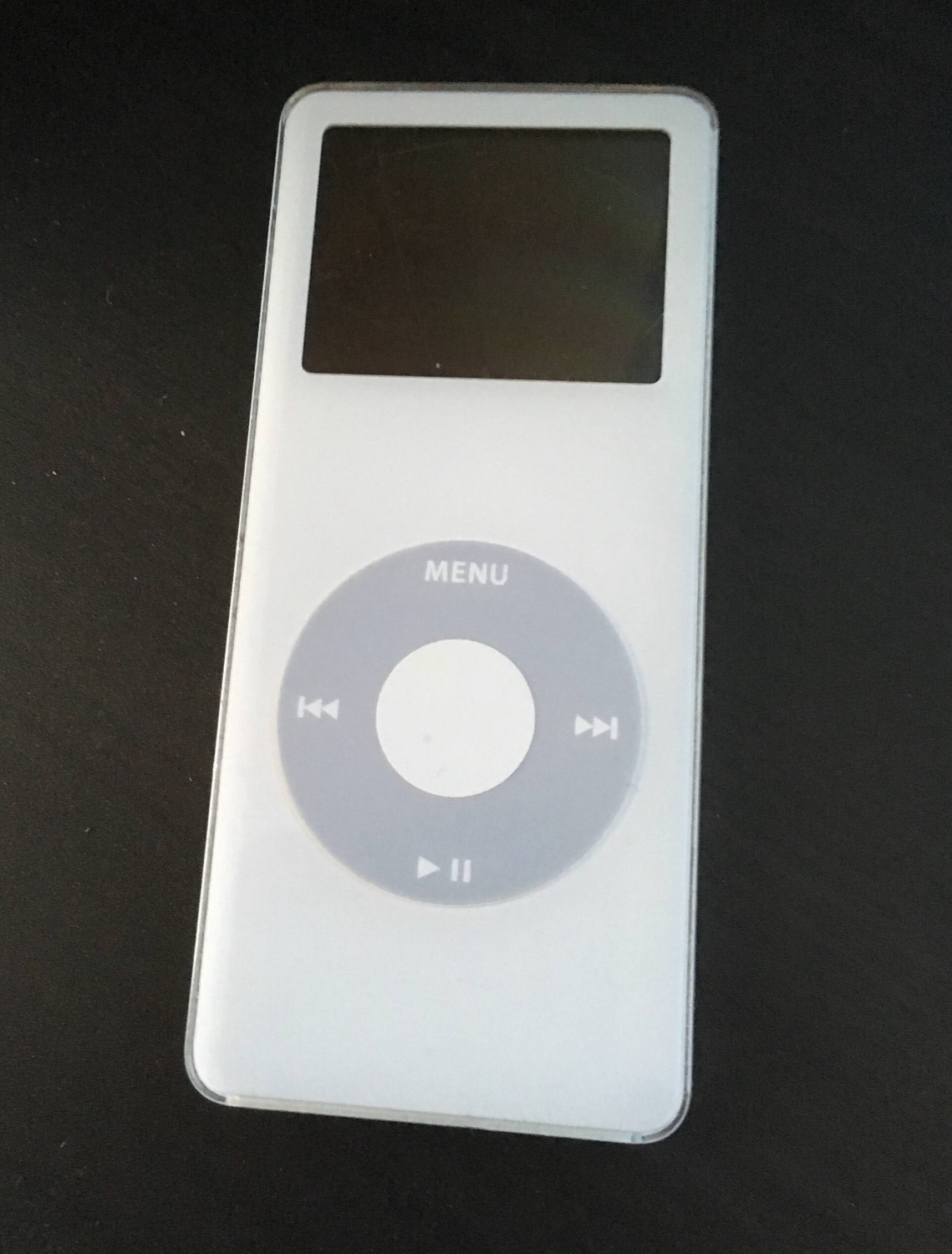
2005 was a hinge year for how teenagers heard new songs. Music videos still premiered on MTV, and TRL still mattered; Radio Disney still built hits through requests. But the iTunes Store, launched in 2003, was selling singles for 99 cents, MySpace profiles were becoming essential for new acts, and ringtones were a real revenue stream. Our article on Radio Disney, TRL and the mall tour describes the old channels, and inside the 2000s pop machine explains how labels paid for it all.
The 2006 reset
Then Disney changed the game again. High School Musical premiered on the Disney Channel in January 2006 and its soundtrack became the best-selling album of the year in the US. Hannah Montana followed in March. From then on, the most powerful route into teen pop ran through a TV franchise that combined acting, songs and touring in one package, and the stand-alone actor-singer debut became rarer.
In short: mid-2000s teen pop was guitar-led, actor-heavy and promoted through a mix of old media (MTV, radio, magazines) and new (iTunes, MySpace). It produced a few huge stars and many one-album careers.