Radio Disney, TRL and the Mall Tour: How Teen Pop Was Sold
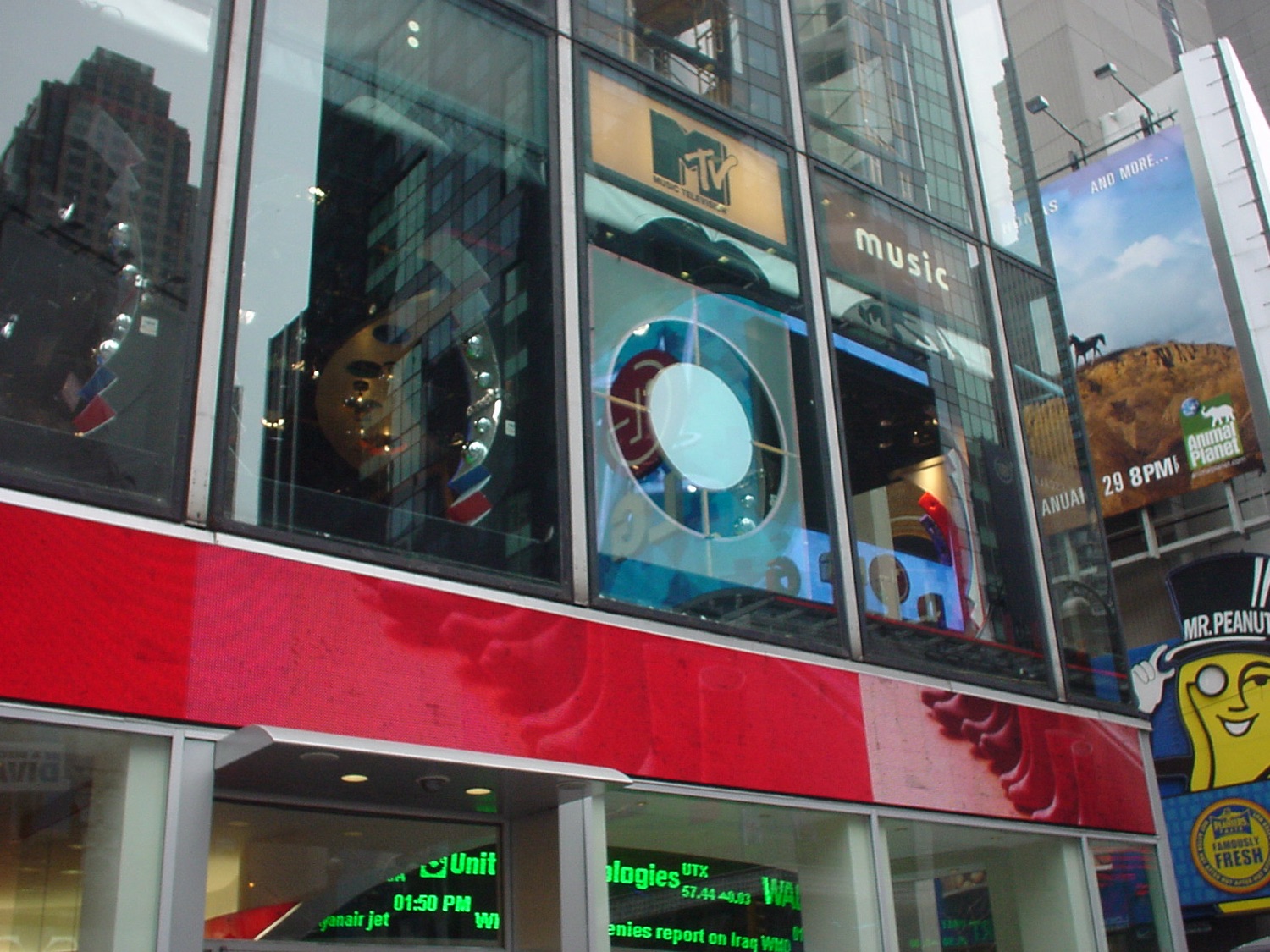
Before playlists and algorithms, a teen pop song needed gatekeepers. In the late 1990s and 2000s the most important ones were a children's radio network, a daily MTV countdown in Times Square, a stack of glossy magazines and, surprisingly often, the local shopping mall.
Radio Disney
Radio Disney launched in November 1996 as a network aimed at children and young teens. Its playlists were built on listener requests, phoned in or sent online, and its own countdown could move a new single up the station's chart quickly. For new acts the station was a proving ground: a song added to rotation could reach millions of young listeners who were not yet listening to Top 40 radio. Disney ended Radio Disney as a broadcast network in 2021.
In March 2005, for example, Brie Larson's "She Said" debuted at No. 30 on Radio Disney's chart, and later that year her follow-up "Life After You" entered rotation after an on-air listener vote.
Total Request Live
MTV's Total Request Live premiered in September 1998. Broadcast live on weekday afternoons from a glass-fronted studio at 1515 Broadway, overlooking Times Square, it counted down the ten most-requested videos of the day as voted by viewers. Fans gathered on the street below holding signs, and artists dropped in to be interviewed. Carson Daly hosted the show's peak years, and appearing on TRL became a rite of passage for pop acts. The regular series ended in November 2008, as YouTube took over as the place to watch videos.
Total Request Live in brief
- Network
- MTV
- Premiere
- September 1998
- Studio
- 1515 Broadway, Times Square, New York
- Format
- Daily countdown of the ten most-requested videos
- Regular series ended
- November 2008
Teen magazines and online premieres
Teen magazines did the rest of the work. Teen People (1998–2006 in print), J-14, Popstar!, Tiger Beat and Seventeen ran pin-ups, quizzes and "new artist" lists that labels fought to get into. Online, AOL was a major gateway for young users; its music channel premiered singles, filmed live "Sessions" performances and ran programs promoting new artists.
The mall tour
The shopping mall was the in-person stage of teen pop. Tiffany's 1987 tour of American malls turned her into a chart-topper and made the format famous. In the 2000s, sponsored tours put young acts on temporary stages in mall atriums, where the audience was already gathered and shopping. Teen People's summer 2005 Rock 'N Shop tour, for instance, paired new artists including B5 and Brie Larson.
What replaced them
By the end of the decade, each of these channels had been weakened by the internet: videos moved to YouTube, discovery moved to MySpace and later social media, and download stores, then streaming, replaced the CD. The skills they taught labels, building a fan community and getting a song in front of the right audience early, remain the basis of pop marketing. For the business side, see inside the 2000s pop machine.